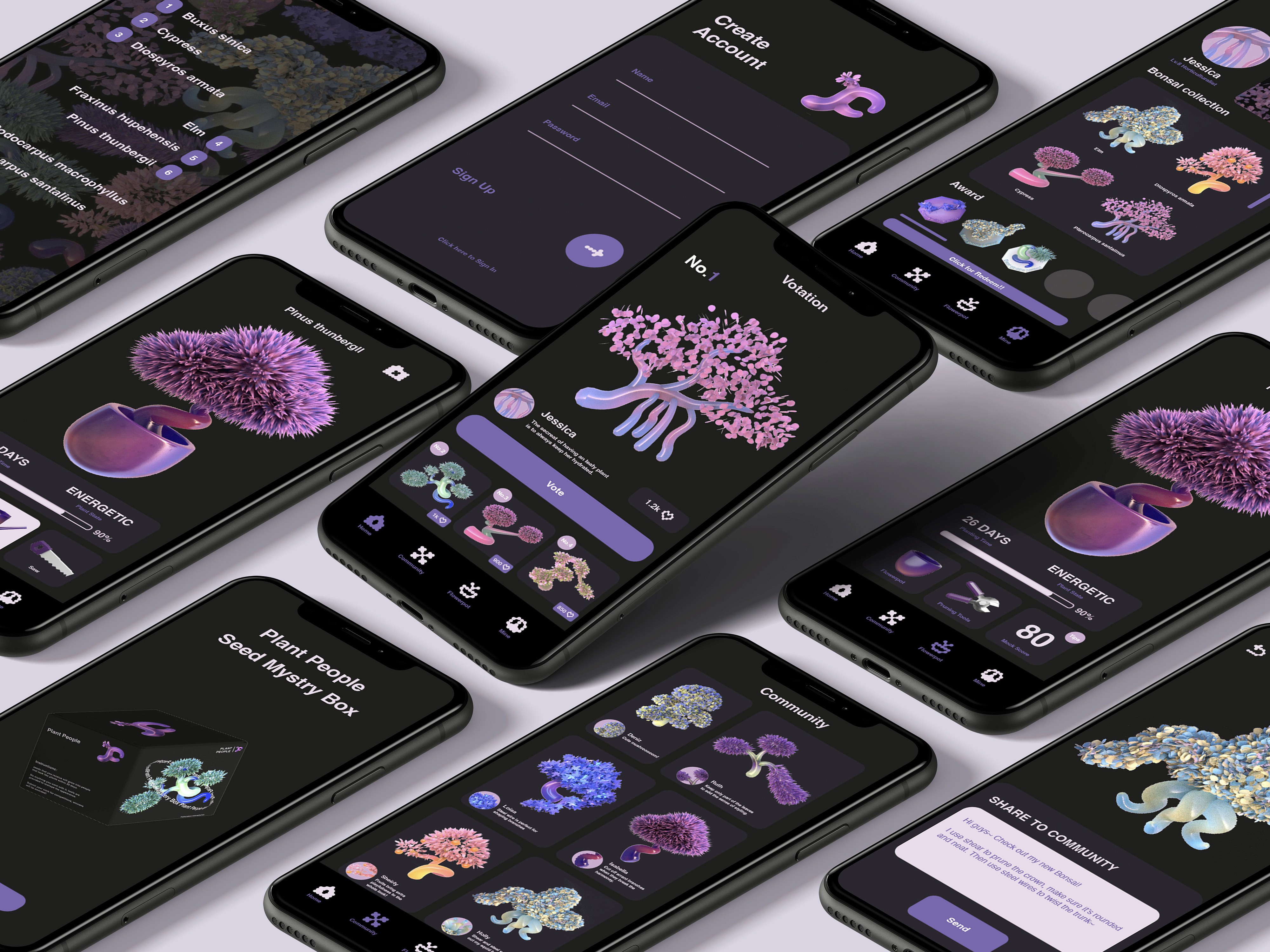
PLANT PEOPLE
Through observational research in Regent’s Park and the Royal Botanic Gardens, this project began with a simple insight: horticultural practices often prioritize visual perfection over ecological integrity. Pruning, shaping, and selective cultivation reflect a broader human tendency to optimize nature according to aesthetic standards.
The project translates this dynamic into a digital interaction system. Users experience a speculative environment in which they themselves become the subject of cultivation, evaluation, and optimization.
The goal is to explore how design can surface asymmetrical relationships and encourage more conscious, reciprocal forms of coexistence.
Deliverables:
Speculative Design
App Design
Interaction Design
User Experience
Branding
Context
What prompted this project?
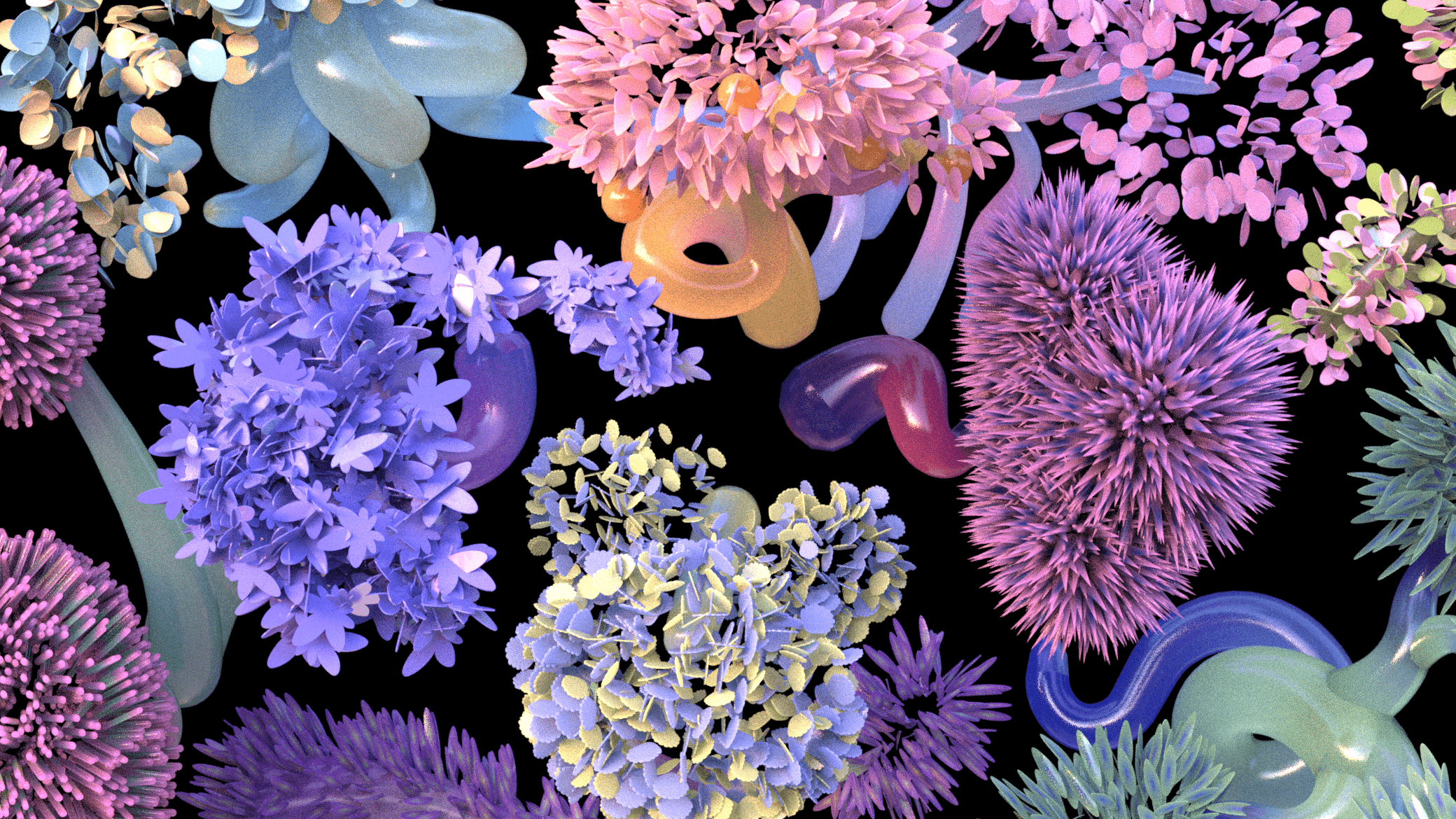
Observational research in Regent’s Park & Royal Botanical Gardens
Plants heavily pruned and shaped to meet aesthetic expectations
Human-defined “beauty” becomes a performance metric for living organisms
Design Question
How might we make users aware of asymmetrical control in cultivation systems?
Concept
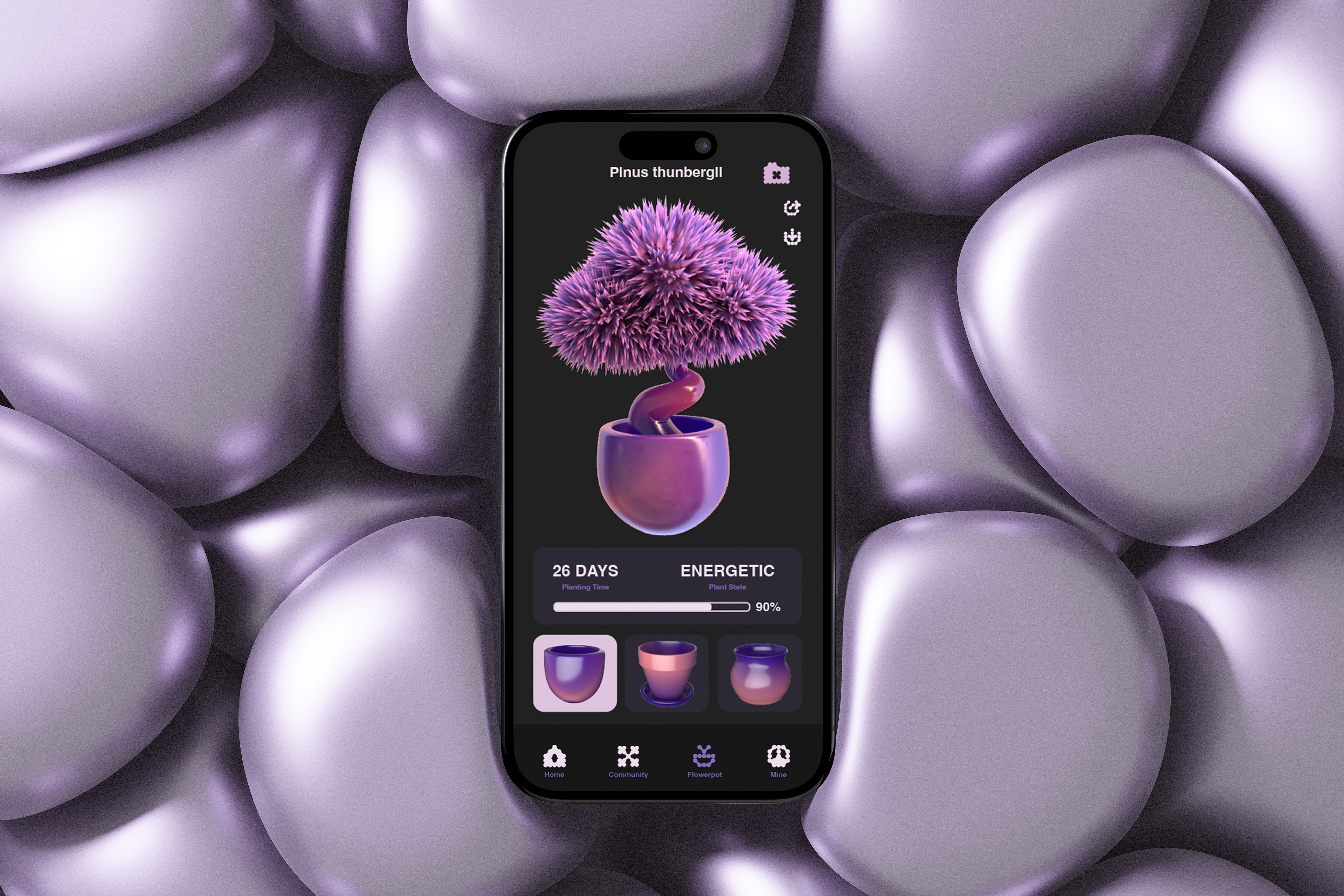
Plant People is a speculative mobile platform where users embody plant-like entities. Their growth, appearance, and vitality are subject to external evaluation. Metrics such as energy, aesthetic score, and community validation determine progression.
This reverses the traditional human–plant dynamic and invites reflection through participation.
Research Insight
Aesthetic cultivation normalizes control by disguising it as care.
Design Translation
Transform beautification into a visible evaluative mechanism.
Interaction Logic
The system is built around feedback loops. User behavior influences visual state, which then impacts social validation and future growth potential. This cyclical interaction mirrors optimization-driven systems found in social platforms.
Key UX Features
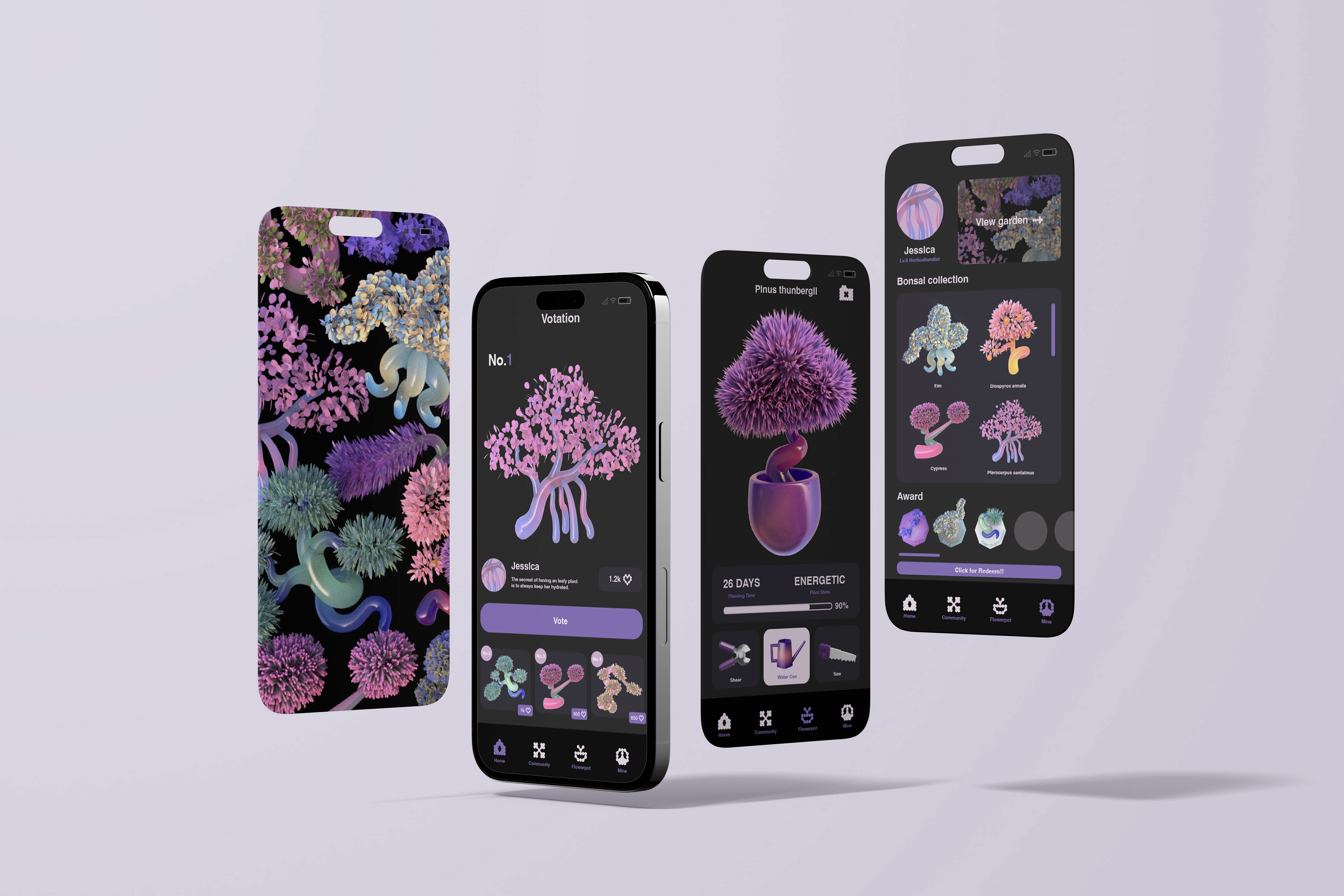
Growth Metrics System
Community-Based Evaluation
Visual Transformation States
Users are evaluated through visible performance indicators like energy, vitality, aesthetic value. These metrics simulate optimization logic often applied to living systems.
Other users can vote, modify, or respond to plant entities, reinforcing social validation dynamics.
Growth states visually shift based on performance feedback, translating abstract judgment into tangible form.
Reflection
This project explores how interface systems can surface invisible power structures. By shifting perspective, it examines how design decisions embed value systems within everyday interactions.

Next work
© 2026 ziruzhao.com. All rights reserved.